- Home
- Nepal
- Day Tour
- Multi Day Tours
- 2 Days Tours
- 3 Days Tour
- 4 Days Tours
- 5 Days Tour
- 6 Days Tour
- 7-8 Days Tour
- 7 Days Kathmandu Chitwan Pokhara Overland Tour
- 7 Days Kathmandu Pokhara Nagarkot Overland Tour
- 7 Days Rara Overland Tour
- 7 Days Upper Mustang Tour from Kathmandu
- 8 Days Kathmandu Chitwan Pokhara Nagarkot Overland Tour
- 8 Days Kathmandu Chitwan Pokhara Overland Tour
- 8 Days Kathmandu Lumbini Pokhara Nagarkot Tour By Air
- 9-10 Days Tour
- Luxury Tours
- National Park Safari Tour
- Hiking
- Honeymoon Tours
- Religious Tour
- Trekking in Nepal
- Village Tours
- Adventure Tours
- Dinner with Cultural Show
- Places to see in Nepal
- General Information
- Bhutan
- India
- Day Tour
- Agra Sunrise Taj Mahal & Fatehpur Sikri Day Tour
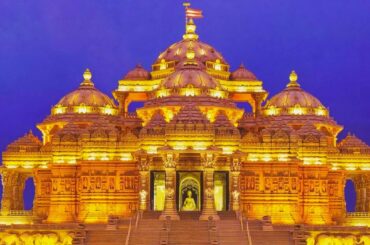
- Delhi Temples & Spiritual Day Tour: Akshardham, Lotus Temple & ISKCON
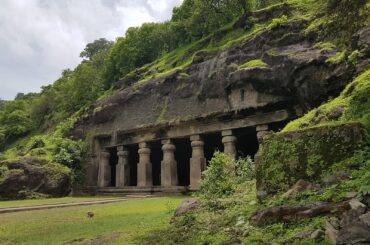
- Elephanta Caves & Colaba Half-Day Tour, Mumbai
- Jaipur Full-Day City Tour: Amber Fort, City Palace & Hawa Mahal
- Mumbai Full-Day City Tour
- North Goa Sightseeing Tour
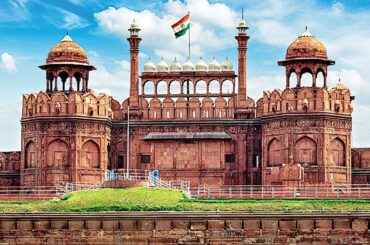
- Old & New Delhi Full-Day Tour
- Old Goa Churches, Spice Plantation & South Goa Tour
- Same-Day Agra Tour from Delhi: Taj Mahal, Agra Fort & Baby Taj
- Varanasi Sunrise Boat Ride & Sarnath Tour
- Varanasi Temples & Evening Ganga Aarti Tour
- Multi Day Tours
- 3-5 Days
- 3 Days Ayodhya Tour from Sunauli
- 3 Days Mumbai Tour
- 3 Days Nainital Tour from Gadda Chauki (Mahendranagar)
- 4 Days Delhi & Agra Tour (Golden Triangle Short Break)
- 4 Days Delhi & Jaipur Tour (Golden Triangle Short Break)
- 4 Days Goa Tour
- 4 Days Kolkata City Tour
- 5 Days Agra & Jaipur Tour from Delhi
- 5 Days Darjeeling & Sikkim Tours
- 5 Days Varanasi, Gaya & Bodhgaya Tour
- 6-10 Days
- 6 Days Kashmir Tour: Srinagar, Sonamarg, Pahalgam & Gulmarg
- 6 Days – Golden Triangle Tour By Car
- 7 Days Shimla, Kullu & Manali Tour by Road from Delhi
- 8 Days Golden Triangle Tour: Delhi, Agra & Jaipur
- 9 Days Kerala Honeymoon Tour with Houseboat
- 10 Days Chardham Yatra Tour
- 10 Days Golden Triangle with Khajuraho & Varanasi
- 11- 15 Days
- 3-5 Days
- Day Tour
- China
- 3 to 5 Days
- 6 to 8 Days
- 6 Days Lhasa Gyangtse Shigatse Tour Package
- 7 Days Tibet Overland Tour from Kathmandu
- 8 Days Glimpse of China-Beijing/Xian/Shanghai
- 8 Days Kathmandu to Lhasa Overland Tour with Everest Base Camp
- 8 Days Lhasa Shigatse EBC Gyantse Tour
- 8 Days Lhasa – EBC- Kathmandu Overland Tour
- 8 Days Tibet Overland Group Tour Drive In & Out
- 9 to 15 Days
- Kailash Mansarovar Overland Tour from Kathmandu
- 11 Days Beijing, Xi’an, Zhangjiajie & Shanghai Tour
- Kailash Tour Fly in Drive out
- 13 Days Kailash Heli Tour from Kathmandu
- 14 Days Beijing, Xi’an, Chengdu, Guilin & Shanghai Group Tour
- 14 Days Beijing, Xi’an, Guilin, Yangtze Cruise & Shanghai Group Tour
- 14 Days Beijing, Xi’an, Zhangjiajie, Yangtze Cruise & Shanghai Group Tour
- Multi Country
- 8 Days India Tours with Nepal
- 8D Nepal & Bhutan Highlights
- 9 Days Buddhist Pilgrimage Tour India and Nepal
- 10D Golden Triangle India & Nepal
- 12 Days Nepal & Bhutan Discovery Tour
- 12 Days Nepal, Tibet & Bhutan Tour
- 14D India Nepal & Bhutan
- 14D Sacred India & Nepal Tour
- 15D China Tibet Nepal
- 16 Days Everest Base Camp Tibet, Nepal & Bhutan Tour
- 21D China Tibet Nepal
- 21D India Nepal & Bhutan
- Other Countries
- Hotel
- Flight
- Heli
- Car
- Bus
- About Us
- Login

Translate
PIGEON TRAVEL & TOURS PVT. LTD.
Latest News
- Over 13,500 pilgrims visit Kailash Manasarovar via Rasuwagadhi border
- Bagmati Tourism Office orders tourism services to use only licensed guides
- Sauraha Chitwan marks International Elephant Day
- 10 Himalayan treks every Nepal trekker should know
- Upper Mustang Restricted Area permit fee reduced to USD 50 Per Day
- Annapurna Base Camp trail closed until Oct 31, 2025
- Nepal – A Safe and Welcoming Destination for Travelers
- Air India Express begins daily direct flights from Kathmandu to Bengaluru
- TIA to operate for 16 hours daily from 01 Feb 2025
- Kathmandu International Airport (KTM) closed for 10 hrs due to runway extension work
- India Offers Free 30-Day e-Tourist Visa for Thai Nationals
- 7 places in Nepal you should visit in 2024
- China to waive visa fees for Nepali nationals
- Electronic Travel Authorization(ETA) for Nepal Tourist Visa
- Chinese tourists can now use mobile pay in Nepal
- COVID-19 vaccination no longer mandatory for air travel to Nepal
- Pokhara International Airport in Nepal Inaugurated
- International passengers no longer required to submit Air Suvidha on arrival in India-from-22-nov-2022
- President Bhandari performs special puja at Muktinath
- Bhutan to reopen its border to tourists from 23rd September
- No PCR Test required for Nepal for Fully Vaccinated Tourist
- India is opening its International flights from 27th March 2022
- Germany Lifts Ban On Tourists From Nepal And Other Four Countries
- NRN with Family Are Allowed to arrive without Visa in Nepal
- International and domestic flights to resume starting August 17,2020 in Nepal
- Nepal gradually eases COVID-19 lockdown restrictions but Flights are still suspended till 5th Jul 2020.
- Lock down to continue, cabinet decides to extend term till May 18, 2020
- Extend the lock down until May 7,2020 in Nepal.
- Suspension of All Domestic & International Commercial Flight in Nepal till 30th Apr 2020
- Bhutan Tourism News Updates 08 Mar 2020
- Updates of Annapurna Base Camp Trek
- Turkish Airlines Signs Codeshare Agreement with Kuwait Airways
- Himalaya Airlines announces direct flights to Dhaka
- Kathmandu Airport Resume 21-hour operation from July 2019
- Kathmandu Airport Shutdown from 10 PM to 8 AM daily for 3 months from 1st Apr 2019.
- Kathmandu Airport KTM to remain shut for 10 hours daily from Monday 1st Apr 2019
- Karnali River: a boon not harnessed by Prof. Dr Prem Sharma
- Nepal Airlines to fly non-stop to Osaka from the end of March 2019
- Nepal, Cambodia sign maiden air service pact
- The first international Tripitaka recitation program has begun in Lumbini
- Bajhang Airport to be re-operated a decade after, following a successful test landing
- Tribhuvan International Airport declares NOTAM to secure VVIP flights movement
- 15% Discount to the Senior Citizen
- Nepal Tourism Board (NTB) promotes Nepal in India’s key cities
- Nepal Tourism entrepreneurs joins hands to attract foreign tourists in Annapurna
- Tourism fraternity baulk at target of two million annual tourists by 2020
- China-assisted International airport in Nepal to attract more tourists, business opportunities
- New Zealand to help Nepal re-measure Mt Everest
- Thai Lion Air begins Nepal flights
- Lonely Planet names Lumbini as Asia’s best destination for 2018
- Nepal airlines 2nd Airbus A300-200 arrives today
- Beijing 72-hour visa-free transit policy
- Brothers on world bicycle tour to protect environment, fight HIV/AIDS
- Nepal Airlines to fly to Dubai three times a week starting tomorrow
Reg. No. 584 Dept. of Tourism,Nepal.Estd. 1999
-
Call us now +977 9851027024
-
Email us at info@pigeontravels.com






























Leave a Reply